
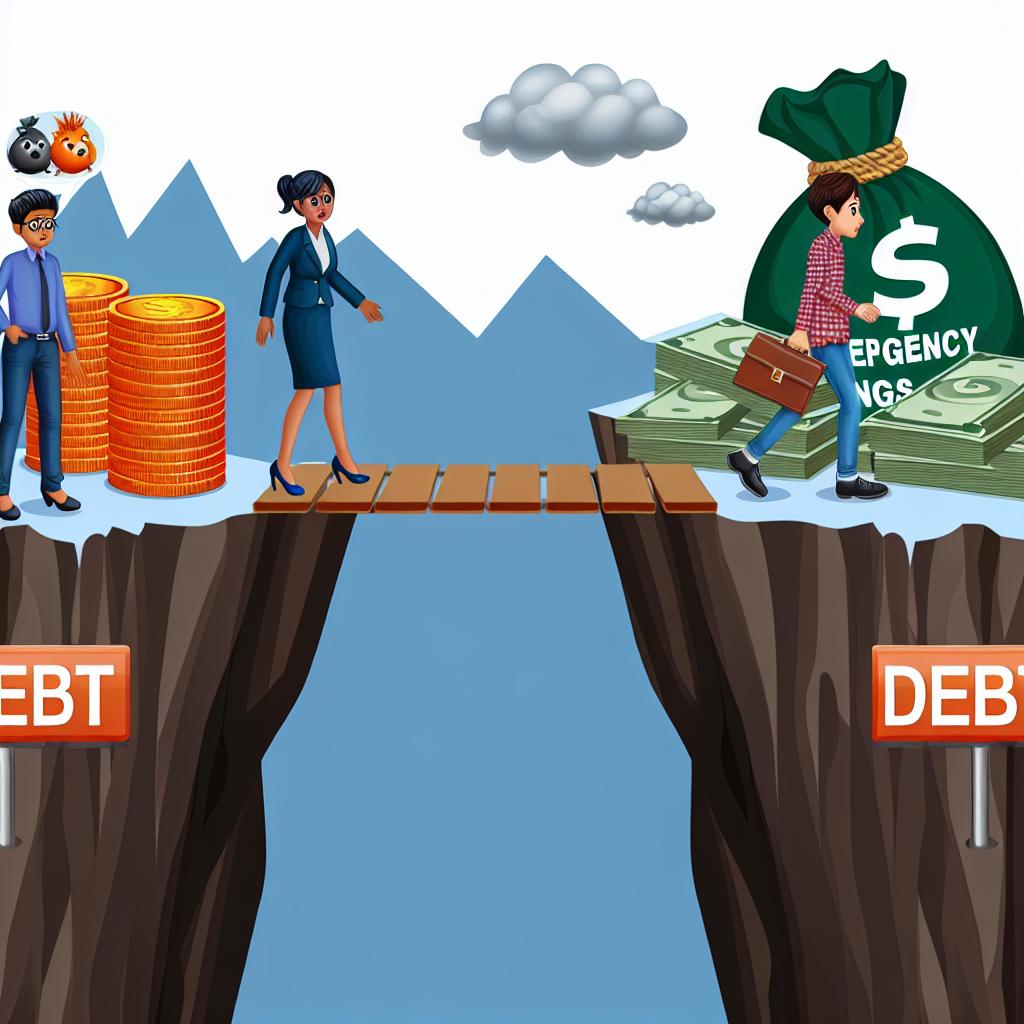
The Importance of Emergency Savings in Avoiding Debt
In recent years, the significance of maintaining an emergency savings fund has gained substantial recognition amongst financial analysts and personal finance advisors. An emergency fund serves as a financial buffer to cover unexpected expenses, reducing the dependence on borrowing and potentially preventing debt accumulation. This article expands on the critical role that an emergency savings fund plays in personal finance management, particularly in its ability to aid in avoiding debt.
Understanding Emergency Savings
An emergency savings fund is a reserve of money set aside specifically to tackle unforeseen expenses such as medical emergencies, car repairs, or sudden job loss. The primary purpose is to provide immediate financial relief without having to rely on credit. This fund is different from regular savings as it is meant for unexpected, non-recurring costs rather than anticipated expenditures or long-term financial goals.
The Characteristics of an Emergency Fund
An effective emergency savings fund is highly liquid, meaning it should be easily accessible at a moment’s notice. It should be kept in an account where it can be quickly retrieved, rather than in investments that might take time to convert into cash or could lose value during market downturns. Typically, a simple savings account, money market account, or a checking account with cash reserve features is ideal for storing emergency funds.
The size of an emergency fund is another important consideration. It should be sufficient to cover essential monthly expenses, such as housing, food, utilities, and transportation, for a set period ranging from three to six months. This timeframe provides a crucial buffer that allows individuals to weather short-term financial storms.
The Financial Cushion
An emergency fund acts as a financial cushion, allowing individuals to handle emergencies with ease and stability. It helps in managing unexpected financial demands without resorting to high-interest loans or credit card debt. When faced with an unplanned expense, having sufficient funds readily available can prevent the unnecessary financial stress of scrambling for repayment methods.
In environments where job security is a concern or in industries subject to cycles of boom and bust, the importance of having this cushion is magnified. It can mean the difference between staying afloat financially and succumbing to potential debt traps. With a well-stocked emergency fund, individuals gain the peace of mind that comes from knowing they are prepared for life’s uncertainties.
Impact on Debt Avoidance
Minimizing debt accumulation is one of the significant benefits of maintaining an emergency savings fund. When emergencies strike, those without savings may find themselves turning to credit cards or personal loans, both of which carry interest rates that can compound and result in long-term financial strain. By reducing the reliance on borrowing, individuals can protect their financial health and maintain a manageable debt level.
Credit card debt is notably perilous due to its high-interest rates, which can rapidly balloon if balances are not paid in full each month. The presence of an emergency fund limits or eliminates the need to accrue such debt, offering a cost-effective alternative when faced with unexpected expenses. Furthermore, avoiding debt keeps credit scores intact, preserving access to better borrowing terms and interest rates for planned large purchases, like a home or vehicle.
Building an Emergency Fund
To create a robust emergency savings fund, financial experts often recommend setting a realistic goal, such as saving enough to cover three to six months of living expenses. This threshold provides a safety net while remaining attainable for most income levels. Consistent savings, made possible through automatic transfers to a dedicated account, can help maintain focus and momentum.
For individuals seeking to build or replenish their emergency savings, starting small is key. Initial goals could be as modest as saving a certain amount each week or month. Over time, as these modest contributions accumulate, the fund grows to provide significant financial security. Habits, such as adjusting budgets to prioritize savings or dedicating windfalls, like tax refunds and bonuses, toward the fund, further support substantial growth.
For more detailed advice on building an emergency fund, consider reaching out to financial experts such as those at Money Advice Service.
The Role of Financial Discipline
Naturally, building a reliable emergency fund requires financial discipline. Adhering to a savings plan requires regular evaluation of expenses and adjustments to spending habits. In some cases, it may necessitate foregoing discretionary purchases or re-evaluating financial priorities. Over time, the discipline cultivated in building an emergency fund translates into stronger overall financial management capabilities.
Moreover, having clear, tangible goals associated with the emergency fund can motivate individuals to maintain their savings habits. Visualizing future security or freedom from financial worry can provide the incentives necessary to stay disciplined in saving. Sharing goals with friends or family can also enhance commitment, as it introduces an element of external accountability.
Conclusion
In essence, having an emergency savings fund is a crucial component of financial planning. It equips individuals with the ability to handle unexpected situations without plunging into debt, thus preserving their financial stability. The role of an emergency savings fund extends beyond mere financial protection; it contributes to overall peace of mind and sustained financial growth.
Prioritizing the establishment and growth of an emergency fund is a prudent step toward sound financial management. By minimizing reliance on debt, individuals not only safeguard their current financial standing but also build sustainable foundations for future financial endeavors. While the concept of saving for emergencies requires careful planning and steadfast discipline, the payoff—resilience in the face of unforeseen expenses—is well worth the investment.