
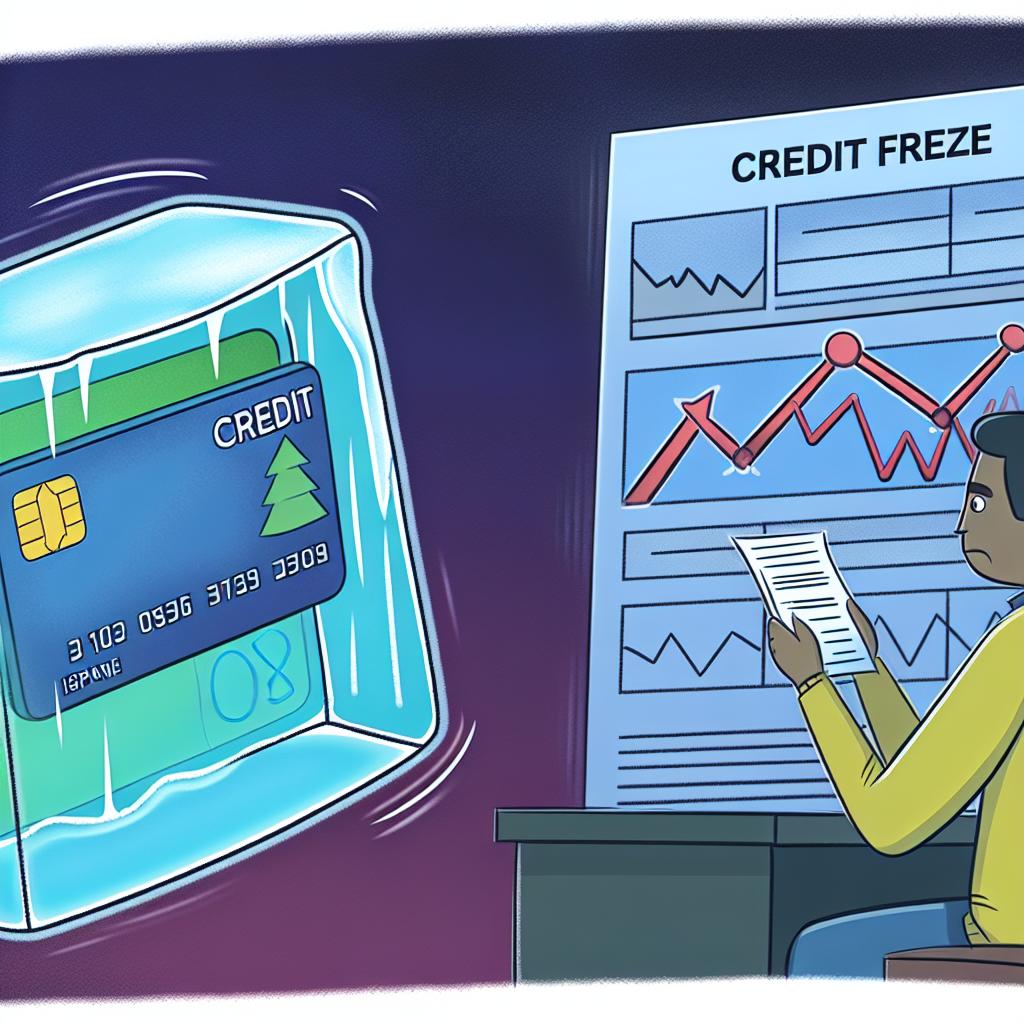
Understanding a Credit Freeze
A credit freeze, commonly known as a security freeze, provides individuals with the ability to limit access to their credit reports. When a credit freeze is activated, credit reporting agencies (CRAs) are unable to disseminate the individual’s credit report details to third parties. This restriction effectively prevents potential creditors from evaluating the individual’s creditworthiness, consequently hindering the opening of new credit lines in the person’s name.
How Does a Credit Freeze Work?
To initiate a credit freeze, an individual must get in touch with the three primary credit bureaus: Experian, TransUnion, and Equifax. The process involves verifying one’s identity and submitting specific information as required by each bureau. Once the freeze is in effect, creditors along with other entities are barred from accessing the individual’s credit report unless the freeze is explicitly lifted by the person themselves.
Benefits of a Credit Freeze
The primary advantage of activating a credit freeze is the protection it offers against identity theft. By preventing access to their credit report, individuals can thwart identity thieves from creating fraudulent accounts in their name. This measure can be particularly effective and reassuring in situations where an individual suspects that their personal information has been compromised.
Situations Where a Credit Freeze is Advisable
A credit freeze is especially suitable in certain scenarios:
1. Suspected Identity Theft: If you suspect or confirm the theft of personal information such as your Social Security number, initiating a credit freeze can serve as a crucial preventive measure against unauthorized access.
2. Data Breach Notification: In instances where companies or institutions inform you of a data breach compromising your information, a credit freeze can combat the potential misuse of your personal data.
3. Reviewing New Financing Options: Should you not plan on applying for new credit cards, loans, or other financial products in the near future, maintaining a credit freeze can offer peace of mind without affecting your current financial plans.
Limitations and Considerations
Even though a credit freeze is a potent tool for stopping the unauthorized opening of new credit accounts, several factors warrant consideration:
- Existing Accounts: Your existing credit accounts remain unaffected by the freeze, meaning that changes to these accounts can still occur without your intervention.
- Accessing Credit: When you wish to open a new line of credit, it becomes necessary to temporarily lift the freeze, which could require additional steps and some waiting time.
- Not Foolproof: It’s important to note that a credit freeze does not block every form of identity theft, especially fraudulent activities using existing accounts, which still pose a risk.
How to Initiate or Lift a Credit Freeze
To institute or revoke a credit freeze, individuals must contact each of the credit bureaus directly. Many bureaus support online systems for managing this process, though others may necessitate communication via phone or mail. It is crucial for individuals to manage and remember their personal identification number (PIN) or password as provided by the bureaus, which is essential for lifting or temporarily thawing the freeze.
For additional details or to initiate the process, one can visit the official websites of Experian, TransUnion, and Equifax.
Understanding the Broader Context of Credit Management
While implementing a credit freeze is a significant step in protecting personal credit, it represents just one component of broader credit and identity management strategies. Proper credit management includes regular monitoring of credit reports, maintaining a healthy credit score by timely payments, and staying informed about any changes in personal credit to mitigate risks. Additionally, considering additional security measures, such as credit monitoring services and fraud alerts, can augment the protection offered by a credit freeze.
Regular Credit Monitoring
Consistently monitoring your credit report allows individuals to identify discrepancies or unauthorized activities promptly. This proactive approach can be accomplished through various credit monitoring services that send immediate alerts if there are any significant changes in your credit profile.
Building and Maintaining a Healthy Credit Score
While safeguarding your credit information is essential, it is equally important to build and sustain a good credit score, which is vital for obtaining favorable credit terms when needed. Practices contributing to a solid credit score include making timely payments, maintaining low balances, and being strategic about applying for new credit.
Conclusion
In conclusion, a credit freeze can be a reliable tool for securing your financial identity, particularly after experiencing an incident of identity theft or when facing potential risks to personal information. However, it involves strategic management and assessment to balance protection with flexibility when accessing credit is necessary. Integrating a credit freeze into full-fledged credit management activities can render a more comprehensive protection plan, ensuring peace of mind alongside financial adaptability in today’s evolving economic landscape.