
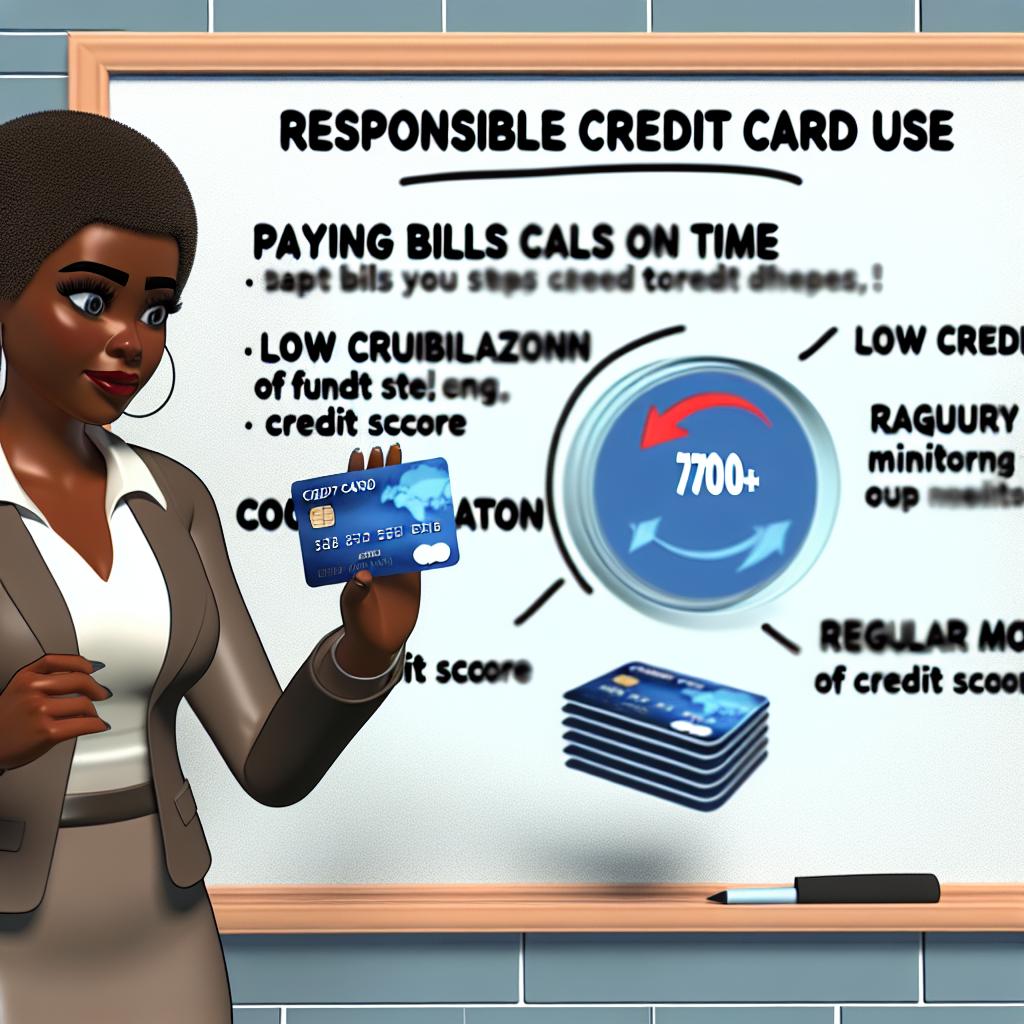
Understanding Credit Cards and Credit Scores
Using credit cards responsibly can be an effective way to build a solid credit history. A credit score is a numerical representation of your creditworthiness, and how you manage your credit cards plays a significant role in determining this score. In essence, credit cards provide a line of credit that you can use to make purchases and pay for them later, while your credit score reflects how reliably you handle debt.
Selecting the Right Credit Card
Choosing the appropriate credit card is crucial for credit building. For someone new to credit, starting with a secured credit card might be a viable option. Secured cards require a security deposit, often equal to your credit limit, which reduces risk for the lender and provides you with an opportunity to demonstrate responsible credit behavior. As you improve your credit score, you can consider transitioning to an unsecured credit card with better terms.
Card Features to Consider
When selecting a card, prioritize features that support credit building:
- Minimal fees: Avoid cards with high annual fees or hidden charges.
- Credit reporting: Ensure the card issuer reports to all three major credit bureaus.
- Reasonable interest rates: While it’s best to pay off balances monthly, having a lower APR is beneficial in case you carry a balance.
Making the Most of Your Credit Card
Once you have a credit card, using it wisely is the key to building a strong credit history. Several strategies can help maximize the positive impact on your credit score.
Pay Your Bills On Time
Timely payments are one of the most significant factors in determining your credit score. Even a single late payment can have a considerable negative impact. Set up automatic payments or calendar reminders to ensure you never miss a due date.
Maintain a Low Credit Utilization Ratio
Your credit utilization ratio, which is the amount of credit you use compared to your available credit limit, should ideally be kept below 30%. For instance, if your credit limit is $1,000, try to keep your balance under $300.
Why It Matters
A lower utilization ratio is viewed positively by credit rating agencies, indicating that you are not overly reliant on credit. It demonstrates financial discipline and can significantly enhance your credit profile over time.
Avoid Excessive Applications
While opening a new credit card can slightly lower your credit score due to the hard inquiry, applying for multiple cards in a short time can have a compounded adverse effect. Therefore, consider your applications carefully and allow time between new credit inquiries.
Monitor Your Credit Reports
Regularly reviewing your credit reports is an essential practice. It allows you to track your progress, identify any discrepancies, and address issues promptly. Agencies such as Equifax, Experian, and TransUnion offer free annual credit reports, which can be accessed from annualcreditreport.com.
Dispute Inaccuracies
If you notice any inaccuracies or fraudulent activities on your report, dispute them immediately. Correcting these errors ensures that your credit score accurately reflects your financial management.
Managing Your Financial Health with Diligence
Maintaining good financial health requires a blend of proactive management, understanding of credit mechanisms, and vigilance in observing changes or updates in your credit report. Beyond the credit score itself, the journey to solid financial credibility involves comprehensively managing your financial resources. Monitoring credit usage and practicing fiscal restraint can further secure your financial standing.
Building a Comprehensive Financial Strategy
Developing a comprehensive strategy for financial management involves more than just using a credit card. It encompasses creating a budget, setting financial goals, and having contingency plans for unforeseen expenses. Such a holistic approach will bolster your credit profile and provide a safety net during economic uncertainties.
Conclusion
Building credit with credit cards requires responsible usage and strategic planning. Selecting the right card, making timely payments, maintaining a low credit utilization, and monitoring your credit regularly are all critical steps. By adhering to these practices, you can construct a robust credit history, opening doors to future financial opportunities.
Ultimately, credit cards can be a valuable tool in building financial credibility and leveraging purchasing power. Whether you are new to credit or looking to enhance your existing credit profile, the journey requires discipline, informed decision-making, and an understanding of the broader financial context. With these principles in mind, your path to financial well-being will be considerably smoother.
In conclusion, successfully managing credit cards and building an excellent credit history can greatly enhance your financial flexibility. From securing better loan rates to having more negotiating power for financial products, a strong credit score is an asset in the financial world. Therefore, take the proactive steps outlined above to ensure that your credit card usage translates into long-term financial success and stability.