
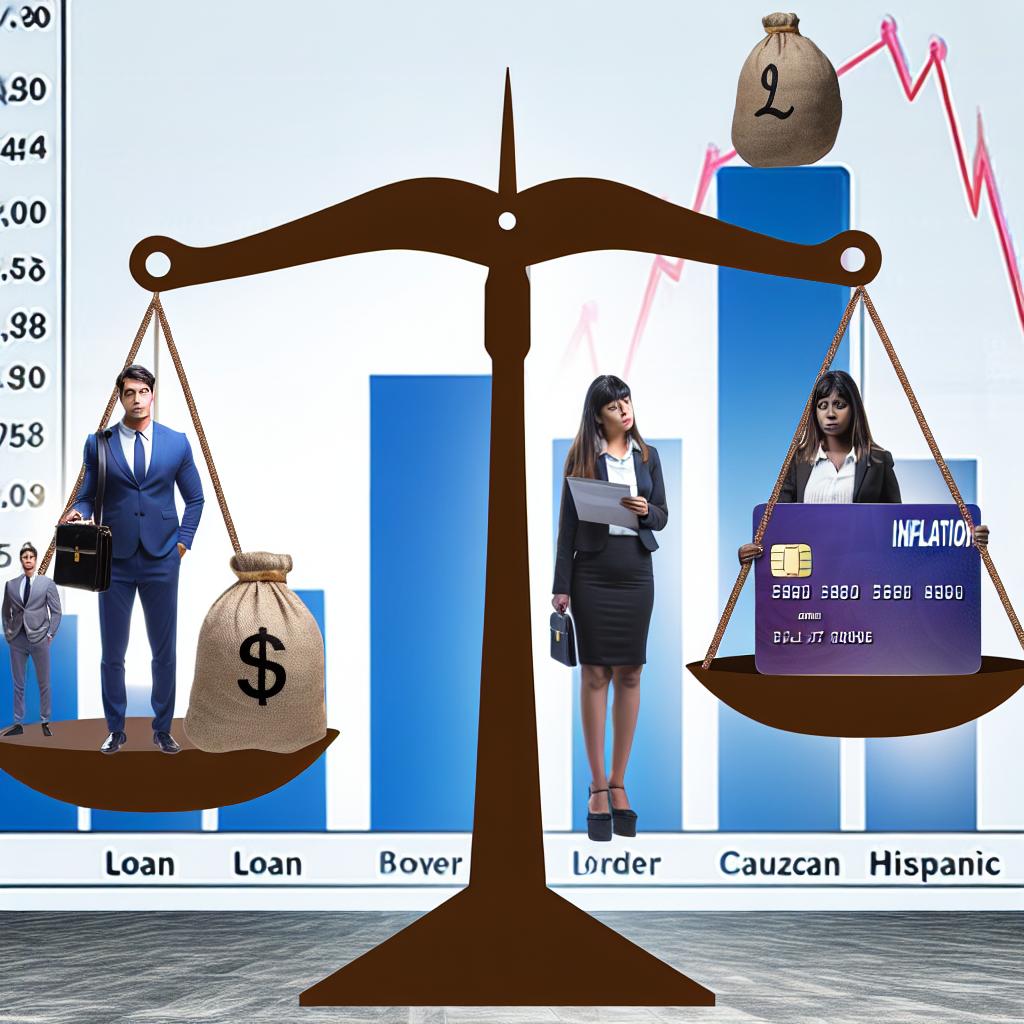
The Influence of Inflation on Loans and Credit
Inflation, which refers to the rate at which the general level of prices for goods and services rises, plays a crucial role in diminishing the purchasing power of money over time. This economic phenomenon significantly impacts various financial sectors, most notably loans and credit. For both borrowers and lenders, understanding the intricate relationship between inflation and these financial instruments is vital to navigating the complex financial landscape effectively.
Effects on Borrowers
Interest Rate Changes:
A prominent effect of inflation on borrowers is the possible increase in interest rates. Central banks, such as the Federal Reserve in the United States, often hike interest rates as a measure to control inflation. The rationale behind this approach is to curtail excessive spending and borrowing by making it more expensive.
When interest rates increase, the cost of borrowing for individuals also rises. This situation affects various types of loans, including mortgages, auto loans, and personal loans. Potential borrowers may find themselves deterred by the higher costs associated with loans, which could lead to a decrease in consumer spending and investment.
Loan Repayments:
Inflation can also affect the repayment dynamics of loans. When it comes to loans with fixed interest rates, inflation reduces the real value of the repayment amounts over time. This scenario can be beneficial for borrowers, as it means they are repaying the debt with money that has depreciated in value. Essentially, while the nominal amount remains the same, the actual purchasing power required to make the payment has decreased.
Conversely, for loans with variable interest rates, the inflation impact leads to increased financial burdens on borrowers. The potential rise in interest rates can contribute to higher repayment amounts, sometimes offsetting the advantages of diminished repayment value. Borrowers must carefully consider the type of interest rate associated with their loans to best manage the effects of inflation.
Credit Card Debt:
Credit cards, predominantly characterized by varying interest rates, are susceptible to changes influenced by inflation. When inflation rates climb, the interest rates on outstanding credit card balances usually follow suit. Consequently, the cost of maintaining credit card debt increases, potentially leading to greater financial strain for individuals who carry significant balances. This relationship underscores the importance of efficiently managing credit card usage during periods of inflation.
Implications for Lenders
Risk Assessment:
For lenders, inflation introduces several challenges, notably in the area of risk assessment. Inflation causes the real value of loan repayments to decrease over time, which can impact lenders’ profitability. To mitigate this risk, lenders might adopt more stringent lending criteria. This approach means that acquiring a loan could become more difficult for potential borrowers, especially those who might not meet the heightened requirements.
Additionally, lenders often adjust interest rates upwards as compensation for inflation-related risks. By doing so, they aim to preserve the value of the returns generated from the loans they issue. However, as interest rates rise, it may deter potential borrowers, leading to decreased lending activity.
Asset Valuation:
Inflation can also have significant implications for asset valuation, especially in the context of collateral-backed loans. As inflation occurs, the value of assets like real estate may rise. This appreciation in value can, in turn, influence secured loans such as mortgages, where the asset forms the basis of loan security.
However, inflation can also introduce unpredictability, leading to asset bubbles. A sharp rise in the value of certain assets could be followed by a sudden and severe decline—a burst that might have detrimental effects on loans backed by such assets. Therefore, lenders must stay vigilant and develop strategies to account for potential asset valuation fluctuations influenced by inflation.
Strategies for Mitigating Inflation Risks
Both lenders and borrowers have developed strategies to mitigate the risks posed by inflation. Lenders, for instance, may introduce inflation-linked loans to help manage these risks. These loans have interest rates adjusted according to inflation trends, allowing borrowers some protection against inflation’s adverse effects.
On the other hand, borrowers may prefer opting for fixed-rate loans. By choosing a fixed rate, borrowers establish a clear repayment schedule with known amounts, shielding themselves against the threat of rising interest rates. Such loans prove advantageous during inflationary periods as they offer some form of financial predictability and stability.
Conclusion
In conclusion, inflation’s multifaceted impact on loans and credit is significant, influencing aspects such as interest rates, repayment dynamics, and lending criteria. Both borrowers and lenders have to pay keen attention to these effects to make well-informed financial decisions. Recognizing the importance of sound financial strategy amidst inflationary pressures is essential to navigating the financial landscape successfully. For those interested in exploring further economic concepts related to inflation and borrowing, Investopedia offers a comprehensive range of resources to aid in deeper understanding.